







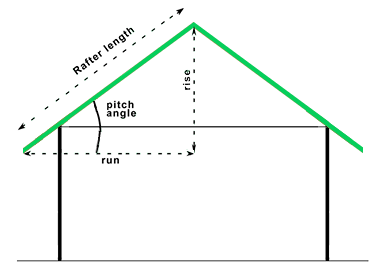
Roof pitch plays a crucial role in the design and functionality of a roof. Let’s explore why it’s important:
Water Drainage: The primary purpose of a sloping roof is to redirect water and snow away. By having an appropriate pitch, water flows off the roof efficiently, reducing the risk of damage due to standing water. Proper drainage prevents issues like leaks, mold, and structural damage
Long-Term Durability: The roof pitch impacts the roof’s overall durability. If the pitch is too low, debris and water may linger on the roof, wearing it down over time. Steeper pitches allow for better water runoff and minimize the risk of structural failure during severe weather conditions
Materials Selection: The roof pitch determines the type of materials suitable for the roof. For instance: Low-Slope Roofs: These roofs have a pitch between ¼-in-12 and 2½-in-12. They typically use membrane-style coverings. Steep-Slope Roofs: These roofs have a pitch of 3-in-12 or above. They commonly use shingles or tiles
3. Structural Considerations: Roof pitch affects structural measurements and rafter length calculations. Builders and architects take it into account when designing the roof and selecting appropriate materials
4. In summary, the right roof pitch ensures effective water drainage, enhances durability, and influences material choices. Whether you’re building a new roof or replacing an existing one, understanding roof pitch is essential for a successful roofing project
Give us a call and we will come check out your roof for a free inspection.
Berryman Roofing & Siding, LLC.
361-994-0342
mailto:support@berrymanroof.com
http://berrymanroof.com